

Understanding the types of basement floor drains in your home is more than basic plumbing knowledge it’s a critical step in preventing flooding, sewage backups, and costly structural damage. When these drains fail, water has nowhere to go, and basements are usually the first area affected.
At Master Plumbing, we regularly see homeowners discover too late that their basement drainage system was outdated, clogged, or incorrectly installed. Knowing what type of drain you have and its limitations helps you act before a minor issue becomes a full-scale plumbing emergency.
Why Basement Floor Drains Matter More Than You Think
Basement floor drains serve as pressure relief points for your plumbing system. They handle groundwater, appliance discharge, condensation, and in some homes, even sewage flow during system surges.
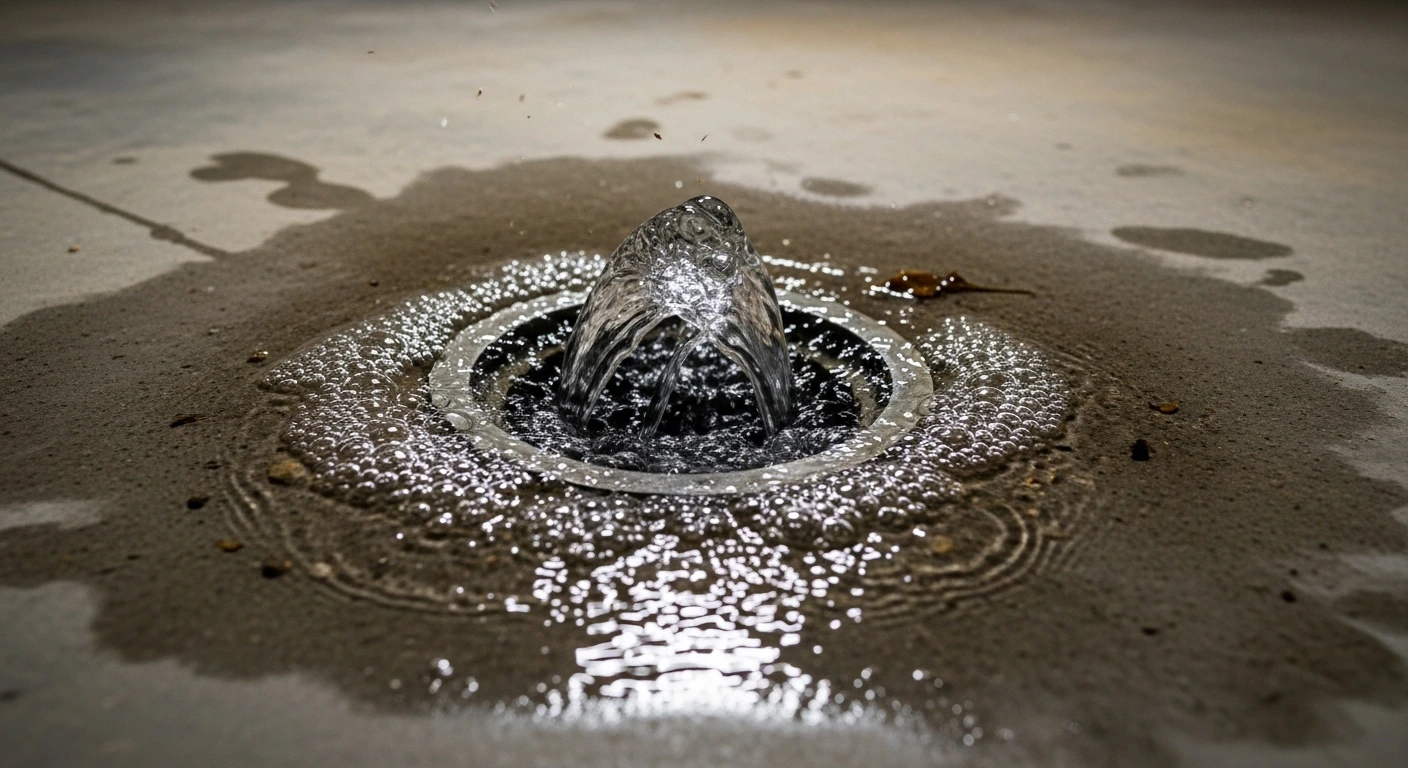
When these drains stop working properly, water follows gravity. That often results in basement floor drain overflowing, standing water, or sewage contamination issues that DIY solutions rarely fix.
Standard Basement Floor Drain (Direct Sewer Connection)
This is the most common drain found in modern homes. It connects directly to the main sewer line and relies on gravity to carry water away.
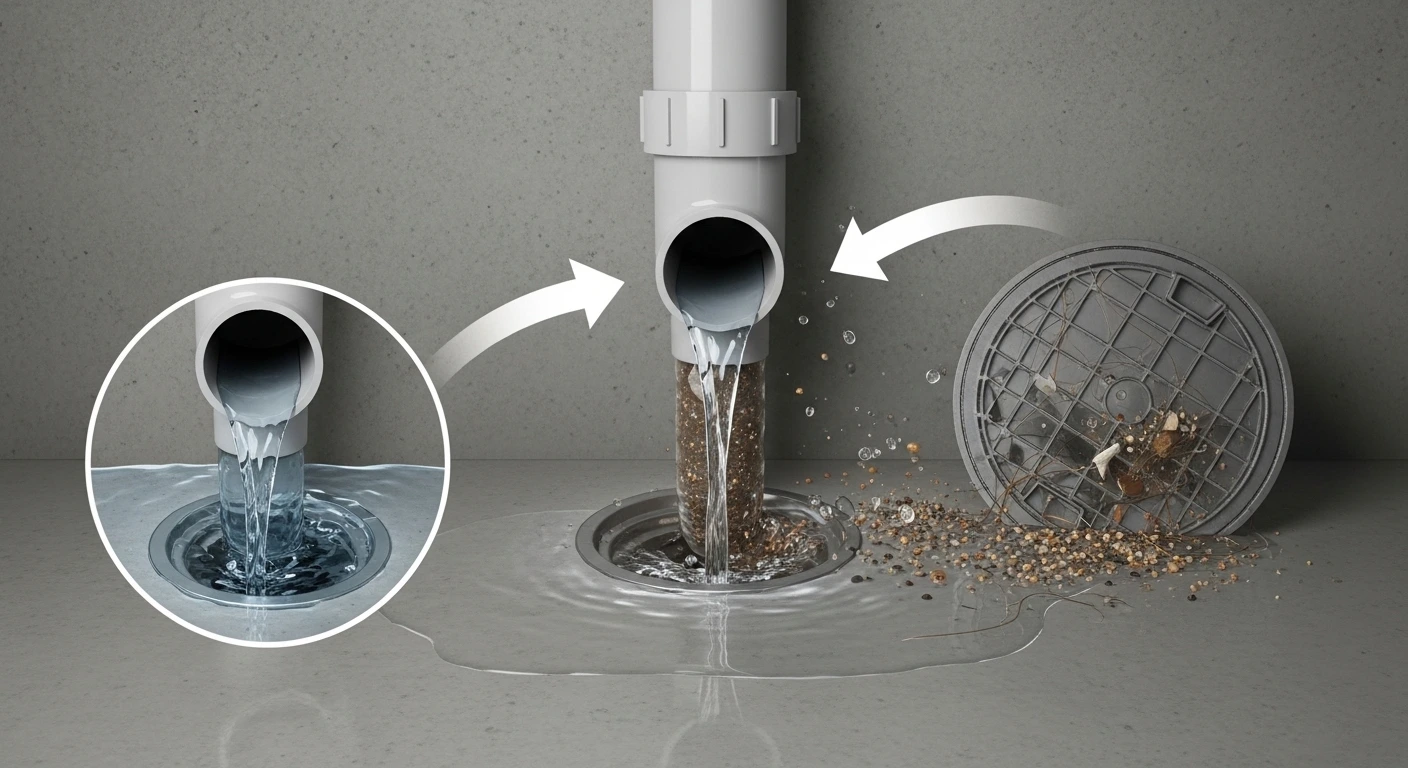
While effective under normal conditions, this type is vulnerable to city sewer surcharges. During storms, water pressure can reverse direction, causing a basement floor drain backing up after heavy rain.
Homes with this drain type benefit greatly from professional inspections and sewer maintenance. Issues like these are often tied to broader sewer problems addressed through sewer services.
Basement Floor Drain Trap: What It Does and Why It Fails
A basement floor drain trap is designed to hold water, creating a seal that blocks sewer gases from entering your home. This trap is essential for indoor air quality and safety.
In basements that see little water flow, traps can dry out. When that happens, odors escape, and debris builds up unnoticed. Over time, this leads to slow drainage or sudden backups.
Professional plumbers can evaluate trap conditions and determine whether cleaning, replacement, or redesign is required.
Basement Floor Drains in Old Houses
Basement floor drains in old houses were built under very different plumbing standards. Many connect directly to clay or cast-iron sewer lines that have degraded over decades.
Common issues include:
- Collapsed or corroded pipes
- Improper drain slopes
- No backflow protection
- Tree root intrusion
Older systems often fail without warning, especially during heavy water usage or storms. This is why homeowners with aging infrastructure should review old home plumbing risks before emergencies happen.
French Drain Systems in Basements
A French drain system is not connected to the sewer line. Instead, it redirects groundwater around the foundation and into a sump pit.
This type of system excels at controlling groundwater pressure but does nothing for plumbing backups. Homeowners often assume these drains protect against sewer issues until water starts coming up through another floor drain.
If flooding occurs despite a French drain, a deeper plumbing issue is likely present.
Basement Floor Drain Backflow Preventer: A Critical Upgrade
A basement floor drain backflow preventer is designed to stop sewage from flowing backward into your home. It allows water to exit but automatically closes when reverse pressure occurs.
According to the U.S. Environmental Protection Agency, backflow events are a leading cause of residential sewage contamination during storms. EPA backflow guidance
Installing or maintaining a backflow preventer is not a DIY project. Proper sizing, placement, and testing require professional expertise.
Why Basement Floor Drains Overflow
Basement floor drain overflowing is a symptom, not a diagnosis. Common underlying causes include:
- Main sewer line blockages
- Municipal sewer surcharging
- Improper drain slope
- Pipe deterioration
University research on residential drainage systems confirms that partial blockages often go unnoticed until extreme flow conditions occur. UMN drainage study
This is why temporary fixes fail the system remains compromised beneath the surface.
Why DIY Drain Fixes Rarely Work
Store-bought drain cleaners, plungers, and hand augers are designed for shallow clogs. They cannot diagnose:
- Pipe collapse under slabs
- Root intrusion
- Sewer line offsets
- City sewer pressure issues
The American Society of Plumbing Engineers emphasizes that improper drain treatments often worsen pipe damage and shorten system lifespan. ASPE technical guidance
When Professional Drain Service Is Necessary
You should contact a licensed plumber immediately if:
- Backups occur during rain
- Water returns after clearing attempts
- Multiple drains are affected
- Sewage odors persist
Professional solutions may include camera inspections, hydro-jetting, drain replacement, or installing backflow protection. Services like drain cleaning and plumbing repair address the root cause not just the symptoms.
How All American Plumbing Protects Basements Long-Term
All American Plumbing evaluates the entire drainage system not just the visible drain. This includes pipe condition, water flow behavior, and structural considerations.
For homes at risk of flooding, recommendations may include backflow preventers, sewer upgrades, or preventive maintenance plans designed to reduce future failures.
FAQs
What are the different types of basement floor drains?
The most common types include standard floor drains connected to the main sewer line, floor drains with traps to block sewer gases, French drain systems that manage groundwater, and drains equipped with backflow preventers. Each type serves a different function and offers varying protection levels.
Why does my basement floor drain keep backing up?
Repeated backups usually indicate a blockage, sewer line deterioration, or municipal sewer surcharge. Heavy rain can overwhelm city systems, forcing wastewater back through the lowest drain opening. Aging pipes and tree root intrusion are also common causes of recurring basement drain failures.
How do basement floor drain traps work?
A basement floor drain trap holds water to create a seal that blocks sewer gases from entering the home. If the trap dries out or becomes clogged with debris, odors can escape and drainage performance may decline, leading to slow flow or backups.
Do French drains prevent sewer backups?
No, French drains only manage groundwater around the foundation. They redirect excess water into a sump pit but do not connect to the main sewer line. Sewer line blockages or surcharges can still cause basement drain backups even with a French drain installed.
When should I call a professional for basement drain issues?
You should contact a licensed plumber if backups occur during rain, multiple drains are slow, sewage odors persist, or water returns after clearing attempts. Professional inspections identify hidden pipe damage, root intrusion, or backflow problems before structural damage worsens.
Final Thoughts on Types of Basement Floor Drains
Understanding the types of basement floor drains in your home helps you recognize risks before damage occurs. Old systems, missing backflow protection, and hidden pipe deterioration all increase the likelihood of basement flooding.
If you’ve experienced backups, odors, or slow drainage, it’s time for a professional evaluation.
Contact All American Plumbing today to schedule an inspection and ensure your basement drainage system is built to handle real-world conditions.