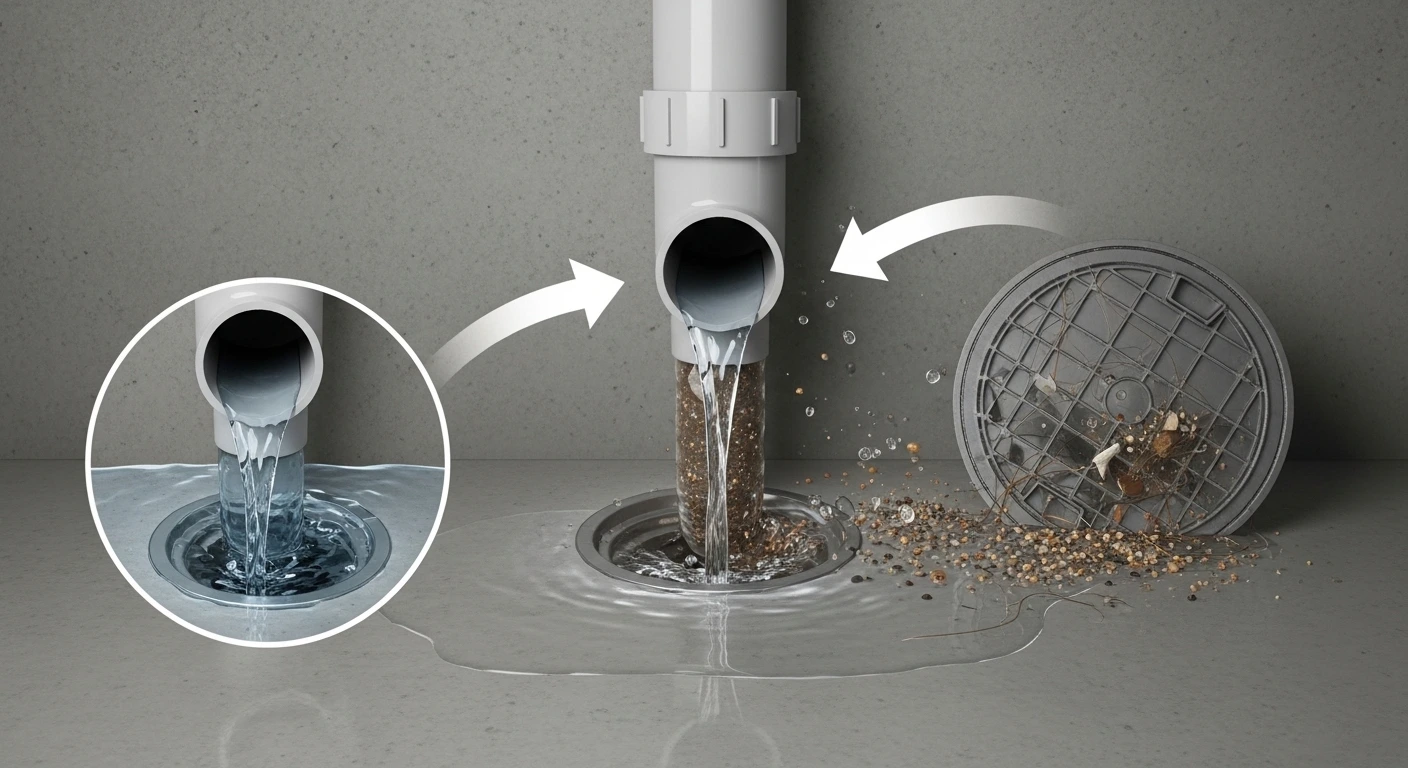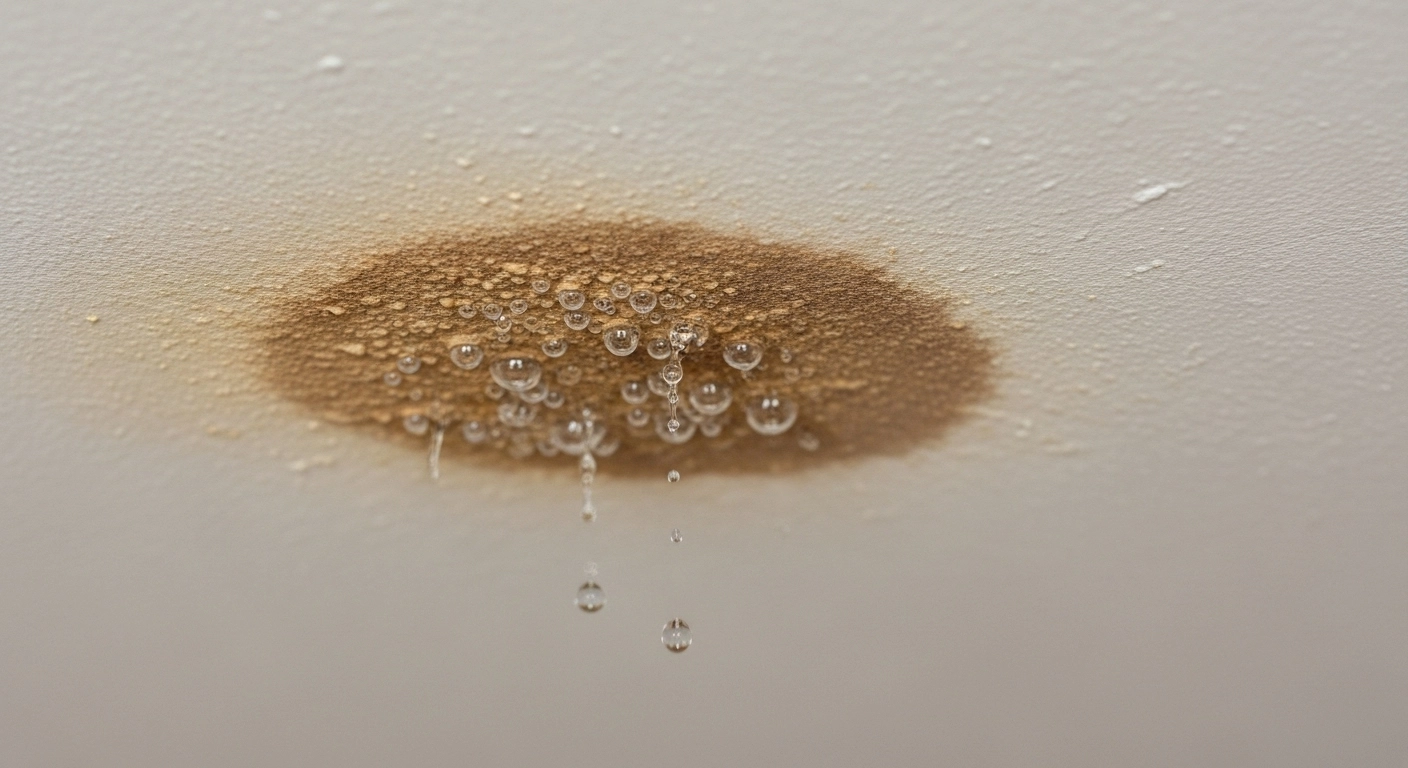

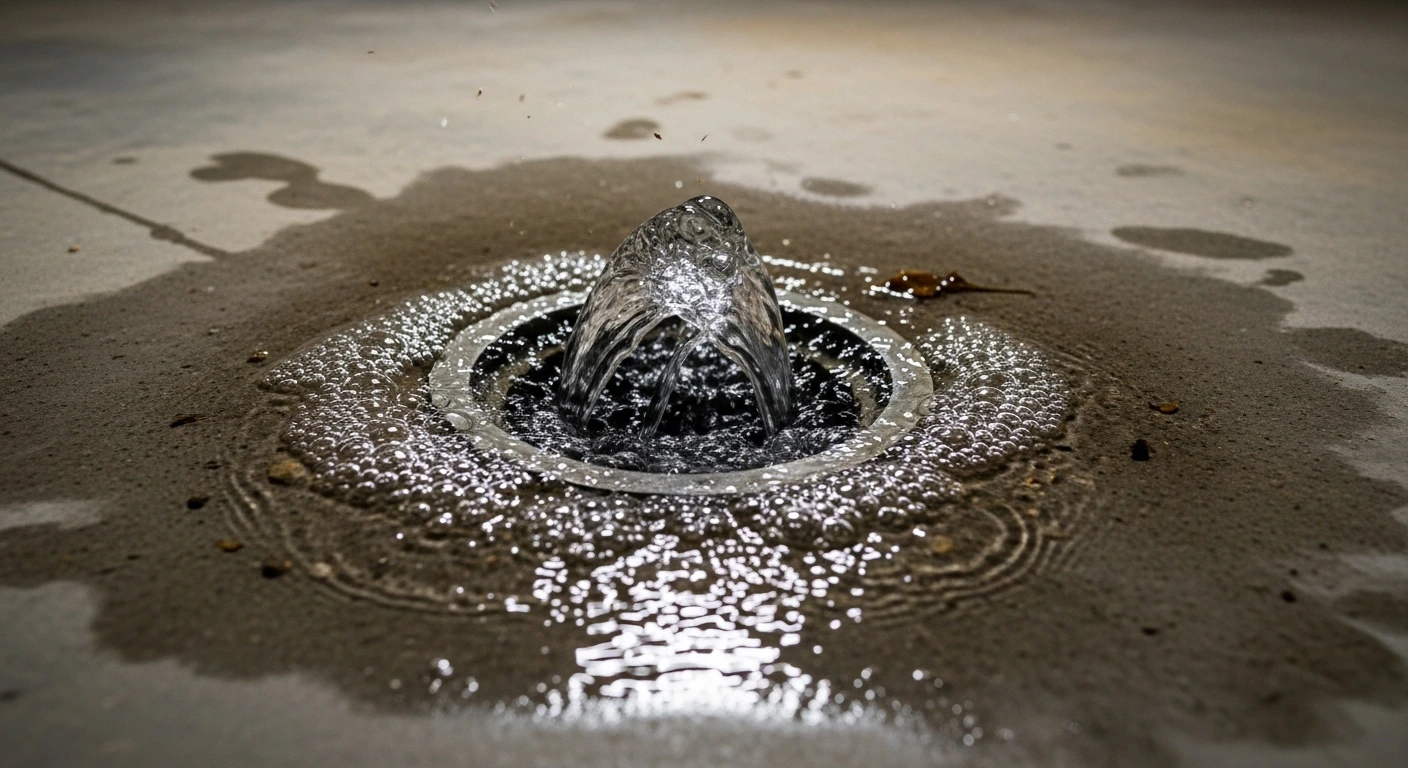

Seeing water coming up through basement drain openings is never normal and it’s never something to ignore. Whether it happens after a heavy rain, during laundry, or when you flush a toilet, this problem signals a serious issue somewhere in your plumbing or sewer system.
At Master Plumbing, we’ve seen homeowners try quick fixes that only delay the inevitable. Basement drain backups often escalate into sewage exposure, structural damage, and costly repairs if not addressed correctly and early.
Why Basement Floor Drains Exist (And Why They Fail)
Basement floor drains are designed as a last line of defense. They collect excess water from foundation seepage, water heaters, HVAC systems, or laundry rooms and direct it into your main sewer line.
When water starts flowing backward instead of draining away, it means pressure inside the system is pushing water up. Gravity no longer works in your favor and that’s a red flag.
Water Coming Up Through Basement Floor Drain After Heavy Rain
One of the most common triggers is intense rainfall. When municipal sewer systems become overwhelmed, wastewater has nowhere to go. The lowest opening in your home your basement drain becomes the release point.
This situation is especially common in older neighborhoods with aging sewer infrastructure. If you’ve experienced this once, it’s likely to happen again unless preventative steps are taken.
A failing or undersized sump system can also contribute. Learn how professionals evaluate these situations in this guide on sump pump decisions.
Basement Drain Backing Up When Washing Clothes
If your basement drain overflows during laundry cycles, the issue is usually inside your home’s drain line. Washing machines discharge large volumes of water rapidly, which exposes partial clogs that smaller fixtures don’t.
Lint buildup, soap residue, and old cast iron piping all contribute. DIY drain cleaners rarely remove these obstructions completely they often push debris further down the line.
Basement Drain Backing Up After Shower or Toilet Flush
When backups occur after showering or flushing, the problem is no longer isolated. This indicates a blockage in the main sewer line.
Signs escalate quickly:
- Gurgling sounds from drains
- Slow drainage throughout the house
- Foul odors near basement drains
In these cases, attempting to plunge or snake individual drains wastes time and increases damage risk. Professional inspection is the only reliable solution.
Basement Floor Drain Backing Up With Poop: A Health Emergency
When sewage comes up through a basement drain, it’s a biohazard. Raw wastewater carries bacteria, viruses, and harmful gases that threaten your family’s health.
According to the U.S. Environmental Protection Agency, sewage exposure can spread pathogens that cause gastrointestinal illness and respiratory infections. EPA sewage health guidance
No DIY cleanup is safe in this scenario. Immediate professional intervention is required to clear the blockage and sanitize affected areas.
Old House Basement Drain Clogged: Why Age Matters
Older homes often rely on cast iron or clay sewer pipes. Over time, these materials corrode, crack, or collapse—creating chronic blockage points.
Tree roots are another major factor. They infiltrate aging pipes through tiny fractures, gradually restricting flow until a full backup occurs.
Homes built decades ago were never designed to handle modern water usage. Multiple bathrooms, high-capacity washers, and dishwashers overload outdated systems.
If your home fits this profile, reviewing older home plumbing risks can help you understand long-term solutions.
Why DIY Fixes Almost Always Fail
Chemical cleaners, plungers, and rental snakes treat symptoms not causes. They cannot:
- Remove deep sewer obstructions
- Fix collapsed or offset pipes
- Address municipal sewer surcharges
- Detect hidden pipe damage
Worse, chemical products accelerate pipe corrosion and increase repair costs later. University studies on plumbing systems emphasize that improper drain treatments shorten pipe lifespan and worsen blockages. Purdue University plumbing research
When Professional Drain Service Is Non-Negotiable
You should call a licensed plumber immediately if:
- Water returns after plunging
- Multiple fixtures cause backups
- Sewage appears in the basement
- Flooding follows heavy rain
Professional plumbers use camera inspections, hydro-jetting, and trenchless repair methods to permanently resolve the issue.
The American Society of Plumbing Engineers highlights that early intervention significantly reduces long-term repair costs and structural damage. ASPE plumbing standards
How All American Plumbing Resolves Basement Drain Backups
All American Plumbing approaches basement drain issues with precision, not guesswork. The process includes:
- Video inspection of the entire sewer line
- Targeted removal of blockages
- Evaluation of pipe integrity
- Recommendations for prevention
For severe cases, services such as sewer line repair and professional drain cleaning restore safe, reliable drainage.
Preventing Future Basement Drain Backups
While no system is immune, prevention drastically reduces risk:
- Annual sewer inspections
- Installing a backwater valve
- Maintaining sump pump systems
- Avoiding grease and debris disposal
Routine inspections often uncover early warning signs before emergencies occur. Learn more in this guide on preventing plumbing issues.
FAQs
Why is water coming up through my basement drain?
Water backing up through a basement drain usually indicates a blockage or pressure issue in the main sewer line. Heavy rain, tree root intrusion, pipe collapse, or municipal sewer overload can force wastewater back into the lowest drain opening in your home.
Is basement drain backup after heavy rain normal?
No, it is not normal. Heavy rainfall can overwhelm city sewer systems, causing water to reverse flow into basement drains. If this happens once, it is likely to happen again unless preventative solutions like inspections or backwater valves are installed.
Why does my basement drain overflow when I run the washing machine?
Washing machines release large volumes of water quickly. If your drain line has a partial clog from lint, grease, or debris, the system cannot handle the surge. This pressure forces water back up through the basement floor drain.
Is sewage coming up through a basement drain dangerous?
Yes, sewage backup is a serious health hazard. Raw wastewater contains harmful bacteria, viruses, and toxic gases. Direct contact or inhalation can cause infections and illness. Professional cleanup and immediate drain repair are necessary to restore safety.
When should I call a professional plumber for a basement drain backup?
Call a professional immediately if multiple fixtures cause backups, water returns after plunging, sewage appears, or flooding follows heavy rain. Persistent drainage problems often require camera inspection, hydro-jetting, or sewer line repair to fully resolve the issue.
Final Thoughts
Water coming up through basement drain openings is a critical plumbing failure not a minor inconvenience. Whether caused by heavy rain, aging pipes, or sewer blockages, the risk to your home and health escalates quickly.
If you’re experiencing recurring backups, sewage odors, or basement flooding, it’s time to stop guessing and get expert help.
Contact All American Plumbing today to schedule a professional inspection and restore proper drainage before the damage worsens.