
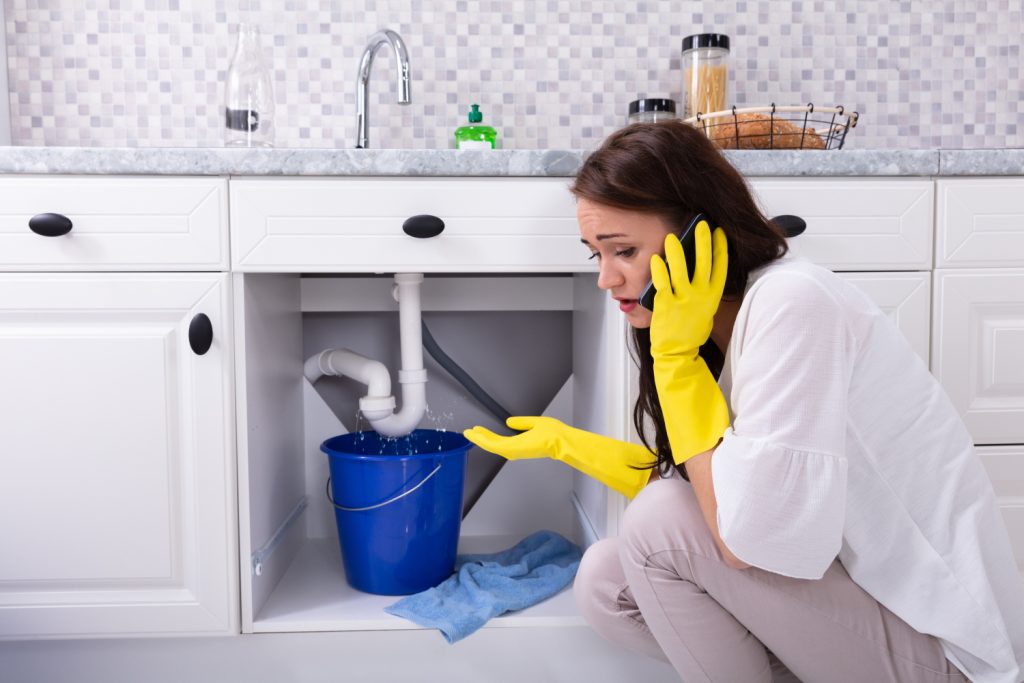

Water damage can turn a home or business upside down in a matter of minutes. Burst pipes, roof leaks, flooding, or appliance failures often cause damage that spreads quickly and quietly. While most property owners expect their insurance policy to cover these losses, the reality is often frustrating. Claims may be delayed, underpaid, or partially denied, leaving you with repair bills far higher than expected.
This is where a water damage adjuster becomes essential. They work on your behalf to ensure your insurance claim reflects the full extent of the damage and the true cost of repairs, protecting your financial interests throughout the claims process.
In many cases, water damage begins with unnoticed plumbing issues like failing drainage systems or sump pumps. Understanding When Should You Repair vs. Replace a Sump Pump? can help prevent basement flooding and avoid costly water damage claims.
In this article, you’ll learn what a water damage adjuster does, when hiring one makes sense, how they help increase claim payouts, what they cost, and how to choose the right professional for your situation.
What Is a Water Damage Adjuster?
A water damage adjuster is a licensed professional who represents property owners during insurance claims related to water damage. Unlike insurance company adjusters, who work for the insurer, a water damage adjuster works exclusively for you. Their role is to evaluate the damage, interpret your insurance policy, prepare detailed documentation, and negotiate with the insurance company to secure a fair settlement.
Water damage claims are often complex. Moisture can spread behind walls, under flooring, and into structural components. Insurance companies may overlook or underestimate these issues, especially when damage is not immediately visible. A water damage adjuster understands how water behaves inside structures and knows how to document both visible and hidden damage properly.
In situations where water damage is caused by plumbing failures, coordinating your claim with professional restoration services such as Water Damage in Houston ensures the damage source and insurance documentation are handled correctly.
By acting as your advocate, a water damage adjuster levels the playing field between you and the insurance company.
Water Damage Adjuster vs Insurance Adjuster
Many property owners assume that all adjusters serve the same role, but the difference between a water damage adjuster and an insurance adjuster is significant.
An insurance adjuster is hired by the insurance company. Their job is to assess the claim while protecting the financial interests of the insurer. While they may act professionally, their loyalty is not to the policyholder.
A water damage adjuster, often referred to as a public adjuster, represents the policyholder. Their responsibility is to document every eligible loss, interpret coverage accurately, and negotiate for the maximum payout allowed under the policy.
This difference in representation often explains why insurance settlements vary so widely between similar claims.
When Should You Hire a Water Damage Adjuster?
Not every water damage situation requires professional representation, but there are many cases where hiring a water damage adjuster is a smart decision.
If your claim has been delayed for weeks without progress, this may indicate that the insurance company is not prioritizing your case. If the settlement offer is significantly lower than contractor estimates, you may be facing an undervaluation. Denied claims, partial approvals, or disputes over mold damage are also strong indicators that professional help is needed.
Some water damage incidents are linked to ongoing plumbing pressure issues that weaken pipes over time. If you noticed unusual plumbing behavior before the damage occurred, reviewing What to Do If You Have Low Water Pressure in Your Home? can help explain how unresolved issues often lead to pipe bursts and insurance disputes.
Hiring a water damage adjuster early in the process often leads to better outcomes. When an adjuster is involved from the beginning, they can guide inspections, ensure proper documentation, and prevent mistakes that weaken your claim later.
Common Situations Where a Water Damage Adjuster Helps Most
Water damage adjusters are particularly valuable in complex or high-loss situations. These often include burst pipes that cause structural damage, flooding that affects multiple rooms, roof leaks that lead to mold growth, and appliance failures that damage flooring and cabinetry.
Commercial properties also benefit greatly from water damage adjusters, especially when business interruption losses are involved. Lost income, temporary closures, and equipment damage require precise documentation that insurance companies frequently challenge.
In these cases, a water damage adjuster ensures that no aspect of the loss is overlooked.
How a Water Damage Adjuster Maximizes Your Insurance Claim
The primary goal of a water damage adjuster is to increase the accuracy and completeness of your claim. This starts with a detailed inspection of the property. Adjusters use professional methods to identify moisture intrusion, structural issues, and secondary damage that may not be immediately visible.
Once the damage is identified, the adjuster prepares a comprehensive estimate using industry-standard pricing tools. This estimate reflects real repair costs rather than minimum insurer projections. The adjuster also reviews your insurance policy in detail, identifying coverage that may apply to your loss, including provisions many policyholders are unaware of.
Armed with documentation, estimates, and policy interpretation, the water damage adjuster negotiates directly with the insurance company. Their experience allows them to challenge low offers, address claim denials, and respond to insurer objections with factual evidence.
The Water Damage Claim Process With an Adjuster
When you hire a water damage adjuster, the claims process becomes more structured and less stressful.
The process typically begins with a thorough inspection of the property. The adjuster documents all damage, including water source identification, affected materials, and potential long-term issues. Photos, measurements, and moisture readings are collected to support the claim.
Next, the adjuster reviews your insurance policy line by line. Coverage limits, exclusions, and endorsements are analyzed to ensure the claim aligns with policy terms. This step is critical, as insurance language can be complex and easily misinterpreted.
The adjuster then prepares and submits the claim package to the insurance company. This includes estimates, documentation, and written explanations. From there, the adjuster handles communication and negotiation until a fair settlement is reached.
How Much Does a Water Damage Adjuster Cost?
Most water damage adjusters work on a contingency fee basis. This means they are paid a percentage of the final settlement rather than charging upfront fees. Typical fees range from five to fifteen percent, depending on the complexity of the claim and local regulations.
Because the adjuster only gets paid if the claim results in a payout, their interests align closely with yours. In many cases, the increase in settlement obtained through professional negotiation more than offsets the cost of the adjuster’s fee.
For property owners facing large or disputed claims, this performance-based structure makes hiring a water damage adjuster a financially sound decision.
Is Hiring a Water Damage Adjuster Worth It?
For many property owners, the answer is yes. Insurance companies are experienced negotiators with teams of professionals working to minimize payouts. A water damage adjuster brings equal expertise to your side of the process.
Claims handled by adjusters often result in higher settlements, faster resolutions, and fewer disputes. Adjusters also reduce stress by managing paperwork, deadlines, and communication with the insurer.
If your claim involves significant damage, denial, or disagreement over repair costs, hiring a water damage adjuster is often the most effective way to protect your financial recovery.
How to Choose the Right Water Damage Adjuster
Choosing the right water damage adjuster is just as important as deciding to hire one. Start by verifying that the adjuster is properly licensed in your state. Licensing ensures they meet regulatory standards and ethical requirements.
Experience matters greatly. Look for an adjuster who specializes in water damage claims rather than general property claims. Familiarity with moisture-related issues, mold concerns, and structural damage makes a significant difference in claim accuracy.
Reputation is another key factor. Reviews, referrals, and case examples can provide insight into how effectively the adjuster negotiates and communicates. Transparency regarding fees, timelines, and expectations is also essential.
Mistakes to Avoid During a Water Damage Claim
One of the most common mistakes property owners make is accepting the first settlement offer without review. Initial offers are often lower than what the policy allows. Another mistake is failing to document damage thoroughly before repairs begin. Once damaged materials are removed, proving the extent of loss becomes more difficult.
Delaying action is another issue. Insurance policies often include strict reporting deadlines. Involving a water damage adjuster early helps ensure compliance with these requirements and preserves claim strength.
Avoiding these mistakes significantly improves your chances of a successful claim.
Final Thoughts
Water damage claims are rarely straightforward. Hidden moisture, policy language, and insurance negotiations can quickly overwhelm property owners already dealing with repairs and disruption. A water damage adjuster provides clarity, advocacy, and expertise at a time when it matters most.
By ensuring accurate documentation, proper policy interpretation, and professional negotiation, a water damage adjuster helps maximize your insurance claim and protects your financial recovery. Property owners working with trusted local professionals such as Plumbing Services in Pasadena benefit even more from combining reliable repair services with expert insurance representation.
If you are facing water damage and uncertainty with your insurance company, working with a qualified adjuster can make the difference between a minimal payout and a fair settlement.
FAQs
What does a water damage adjuster do?
A water damage adjuster represents property owners by documenting damage, reviewing insurance policies, and negotiating settlements to ensure fair compensation.
Can a water damage adjuster help with denied claims?
Yes. A water damage adjuster can review denied claims, identify errors or misinterpretations, and negotiate a reconsideration with the insurance company.
When should I hire a water damage adjuster?
The best time is immediately after damage occurs or as soon as issues arise with your insurance claim, such as delays or underpayment.
How long does the claims process take with an adjuster?
Timelines vary, but having a water damage adjuster often speeds up the process by reducing back-and-forth with the insurer.
Do water damage adjusters work for homeowners and businesses?
Yes. Water damage adjusters assist both residential and commercial property owners with insurance claims.