

If you are trying to understand how to test water pressure at home without gauge, you are not alone. Many homeowners notice weak showers, slow faucets, or a struggling washing machine and immediately suspect a water pressure issue. The truth is, you can identify most problems without a professional water pressure gauge using simple DIY techniques that measure flow rate and overall home water pressure.
In this guide, we will break down practical methods for how to check water pressure in house, what normal pressure should feel like, and how to spot hidden issues inside your home plumbing system. You will also learn when DIY methods stop being reliable and when it is time to call experts like Master Plumber Service for professional inspection and repair.
1. Understanding Home Water Pressure Basics
Before learning how to measure water pressure, you need to understand what it actually represents. Water pressure is the force pushing water flows through pipes when you turn on a tap. If the pressure is weak, everyday tasks like washing dishes or running a washing machine become slow and inefficient. Strong pressure means consistent flow, while weak pressure usually signals restrictions or leaks.
In most homes, pressure depends on municipal water supply, pipe condition, and internal blockages. A stable system should maintain a balanced sweet spot of pressure for efficient use. According to the EPA WaterSense Program, maintaining proper water efficiency not only improves performance but also reduces waste and utility costs. If your system falls outside normal range, it may indicate a developing plumbing issue that needs attention.
2. How to Test Water Pressure at Home Without a Gauge
The most practical method for how to check water pressure without a gauge is the timed flow test. Simply place a container under a tap, turn on a tap, and measure how much amount of water fills within a fixed time. This gives a reliable estimate of litres per minute, which directly reflects your home water pressure.
For example, a healthy system should deliver around 9 to 15 liters per minute depending on fixtures. If your reading is lower, it may indicate a pressure issue in your water supply or internal pipes. According to Penn State Extension, inconsistent flow rates are often the first sign of underlying plumbing inefficiencies or leaks that homeowners overlook.
Why This Method Works
This method works because flow rate is directly connected to pressure inside your home plumbing system. When pressure drops, less water reaches the outlet. While this test cannot pinpoint hidden leaks or pipe damage, it is an effective first step in testing water pressure before calling a professional.
3. Measuring Water Flow Using a Measuring Jug Method
Another easy DIY approach for how to check water pressure is the measuring jug method. Take a measuring jug, place it under a tap, and time how long it takes to fill a known volume, such as 1 liter or 15 liters. This helps you estimate real-world performance of your water flows across different fixtures.
If the jug fills slowly, it may indicate restricted water supply or buildup inside pipes. This method is widely used as a quick diagnostic for identifying early-stage water pressure issue symptoms. The Plumbing Foundation notes that flow inconsistencies often point to system inefficiencies that should be inspected before they worsen.
4. Common Water Pressure Problems You Can Detect
Understanding how to determine water pressure also means recognizing real-life symptoms. Low pressure often shows up as weak shower output, slow filling sinks, or a struggling washing machine. These issues usually indicate blockage, pipe corrosion, or inconsistent water supply.
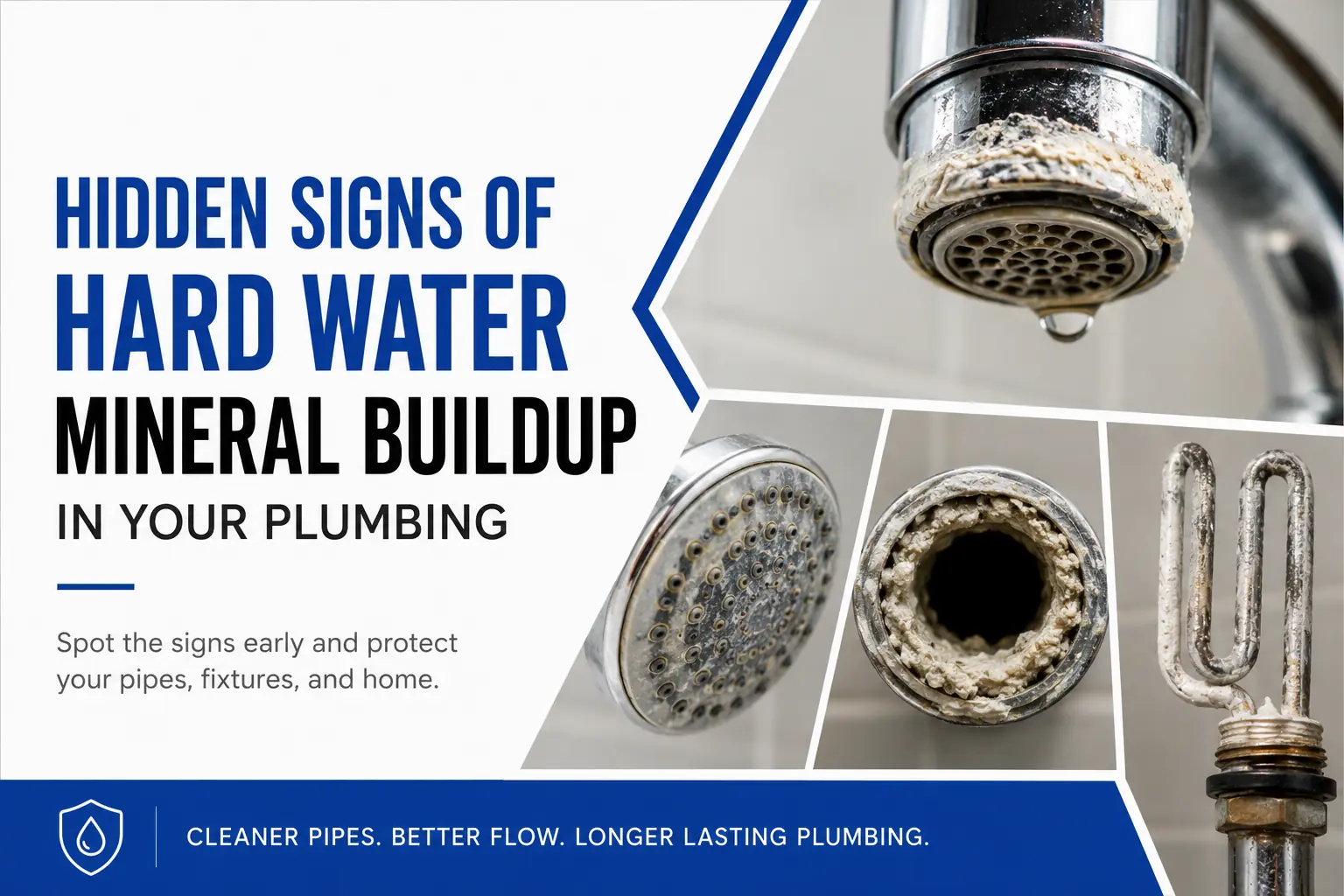
If multiple fixtures are affected, the issue is likely within the central home plumbing system. In some cases, hidden leaks can also reduce efficiency without visible signs. You may want to review low water pressure causes to better understand how internal plumbing problems affect your entire system.
5. DIY Mistakes When Testing Water Pressure
A common mistake in how to check water pressure is testing only one faucet. Different fixtures have different restrictions, so results can be misleading. Another mistake is ignoring peak usage hours when water flows naturally fluctuate due to demand in the neighborhood water supply.
DIY methods also fail when internal pipe damage or sediment buildup is present. Without professional tools, you cannot accurately measure system-wide pressure changes. That is why plumbers often combine flow tests with diagnostic inspections to evaluate the full home plumbing system for hidden faults.
6. Signs Professional Service Is Needed
If your DIY testing shows inconsistent results, it is time to consider expert help. Persistent low flow across multiple taps, noisy pipes, or fluctuating home water pressure often indicate deeper system issues that cannot be solved with simple fixes.
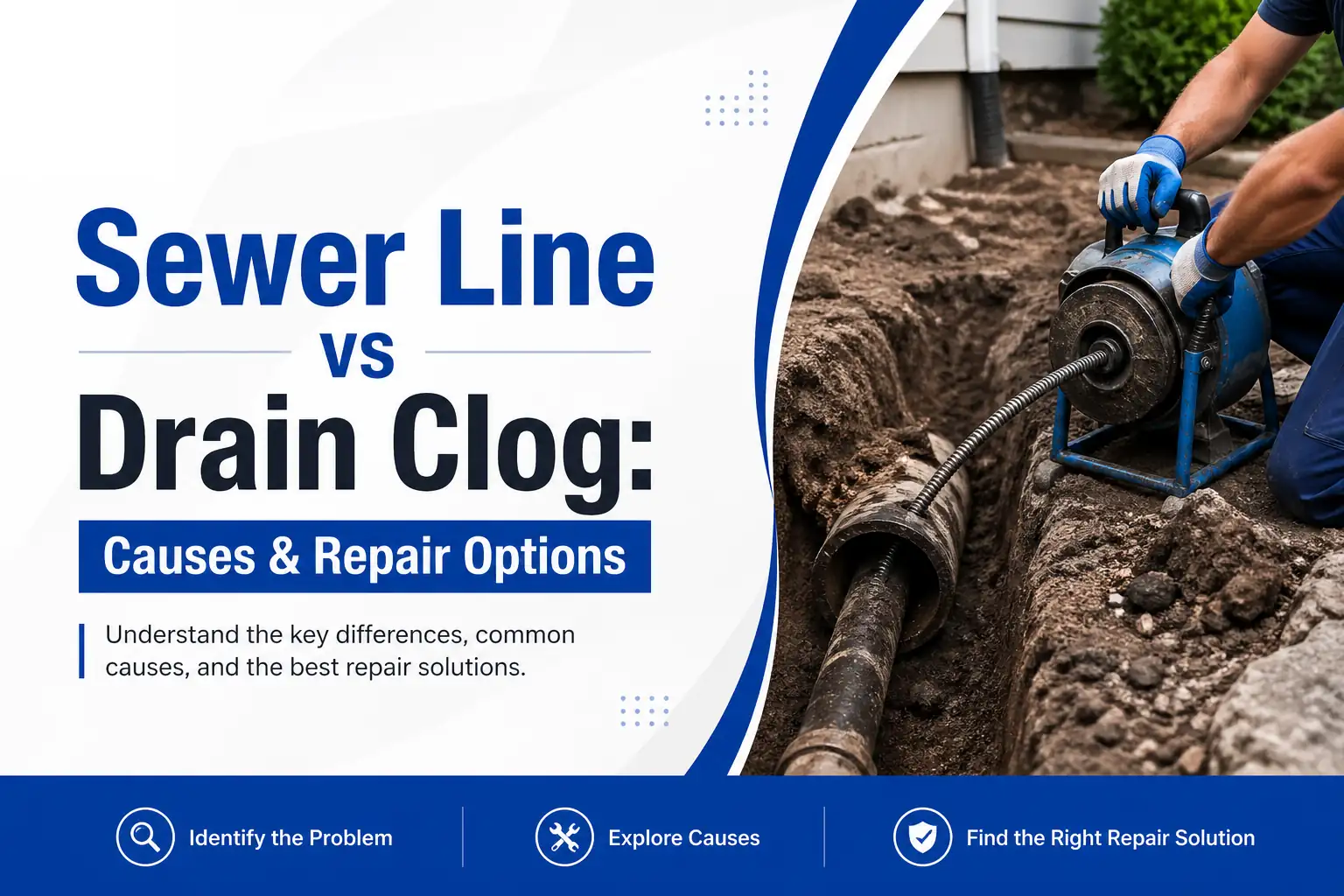
You should also seek help if appliances like your washing machine or dishwasher are underperforming. These signs often require professional inspection of pipes, valves, or even underground lines. In severe cases, services like pipe repair solutions may be necessary to restore full system efficiency.
- Pressure drops in multiple rooms
- Weak or inconsistent water flow
- Strange pipe noises or vibrations
- Appliance performance issues
7. Why Choose Master Plumber Service
When it comes to diagnosing water pressure issue problems accurately, experience and equipment matter. Master Plumber Service provides professional inspection and repair solutions that go beyond basic DIY testing. Our team identifies hidden leaks, blocked lines, and system inefficiencies that affect your home plumbing system.
We ensure your entire water system operates within the correct sweet spot of pressure for long-term performance. From emergency repairs to full system optimization, we help restore reliable water flows so your home functions smoothly every day.
8. FAQs – How to Check Water Pressure Without Gauge
1. How do I measure water pressure without a gauge?
You can measure it using a timed container test. By calculating how much water fills in a set time, you estimate litres per minute, which reflects your home water pressure without needing a gauge.
2. How do I know if my water pressure is low?
Weak showers, slow taps, and underperforming appliances like a washing machine are clear signs. These indicate a possible pressure issue in your plumbing system.
3. Can low water pressure damage plumbing systems?
Yes, prolonged low pressure can strain appliances and indicate hidden leaks. It can also reduce efficiency across your entire home plumbing system.
4. What is normal home water pressure?
Most homes operate within a balanced range that ensures steady water flows. Anything significantly lower suggests a restriction or supply issue.
5. Why is pressure different in each tap?
Different pipe lengths, blockages, or fixture restrictions can cause uneven water supply distribution across your home.
6. When should I call a plumber?
If multiple fixtures show weak pressure or DIY tests fail, professional inspection is needed to diagnose deeper plumbing faults.
9. Final Thoughts & Call to Action
Learning how to test water pressure at home without gauge is useful, but DIY methods only go so far. If your results show inconsistency or your water pressure issue continues, it is important to get a professional inspection before the problem worsens.
A properly balanced home plumbing system ensures efficient appliances, steady water flows, and long-term savings. If you are unsure about your results, it is best to get expert help before small issues turn into costly repairs.
Contact a trusted plumbing expert today and restore your water system the right way.