


Your how to extend life of household plumbing system strategy starts with understanding how your entire plumbing system works and what causes it to fail. Most homeowners only react when plumbing problems show up, but long-term performance depends on consistent plumbing maintenance, proper water pressure, and proactive inspections. Whether you have older metal pipes or modern plastic pipe systems, small habits make a big difference in extending the lifespan of your home’s plumbing.
In this guide, you’ll learn practical, field-tested plumbing tips for homeowners, backed by real service experience. We will cover preventive steps, warning signs, and when DIY stops working. If your goal is to reduce repairs, avoid emergencies, and get closer to that 50 to 100 years potential lifespan, this is where you start.
Understand How Long Plumbing Systems Really Last
The first step in how to maintain home plumbing systems is knowing realistic expectations. Different materials age differently. For example, metal pipes like copper can last up to 50 years, while some systems can push toward 100 years under ideal conditions. Meanwhile, the life expectancy of pex pipe is typically 40 to 50 years, depending on water quality and installation quality. These timelines are not guarantees. They depend heavily on maintenance and environmental factors.
Ignoring these differences leads to early failure. Many homeowners assume pipes last forever, which causes delayed repairs and expensive damage. A proper plumbing preventative maintenance plan helps you track age, condition, and risk factors. If your home is older, reviewing older homes issues can help you understand hidden vulnerabilities before they turn into major repairs.
Schedule Routine Plumbing Inspections
Regular plumbing inspections are the backbone of effective plumbing preventive maintenance. A trained technician checks for corrosion, hidden leaks, early mineral buildup, and weak connections that are not visible during normal use. These inspections identify problems before they escalate into costly repairs or system failure.
DIY checks often miss early warning signs. Professionals use tools and experience to detect pressure imbalances and pipe deterioration. If you want your home’s plumbing to last longer, inspections should be scheduled annually. Pair this with expert services like residential plumbing to ensure your system is professionally maintained and documented.
Control Water Pressure to Protect Your Pipes
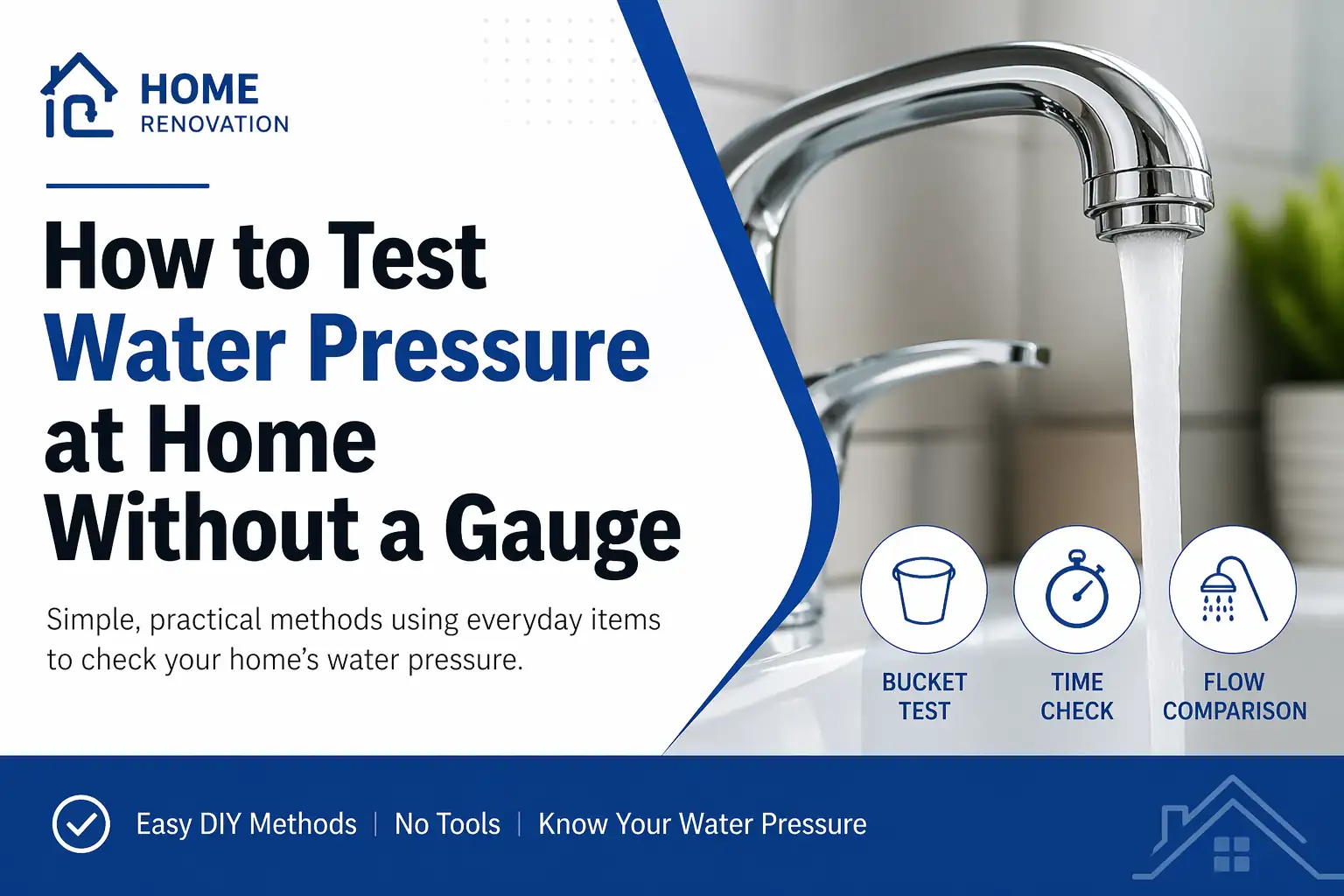
High water pressure silently damages your plumbing over time. It stresses joints, weakens seals, and accelerates wear inside pipes. Many homeowners do not realize that pressure above safe levels can shorten the lifespan of both metal pipes and plastic pipe systems significantly.
Installing a pressure regulator is one of the most effective maintenance tips for long-term durability. It stabilizes flow and reduces strain on the system. If you are dealing with inconsistent pressure, reviewing low pressure issues can help identify underlying problems before they worsen.
Prevent Mineral Buildup in Pipes
Mineral buildup is a major cause of reduced flow and internal pipe damage. Hard water leaves deposits that narrow pipe interiors and restrict hot water flow. Over time, this leads to inefficiency, pressure issues, and eventual pipe failure.
Simple solutions like periodic flushing and water softening systems can significantly slow buildup. According to the EPA WaterSense program, improving water quality not only protects pipes but also reduces household water waste. Ignoring buildup leads to expensive repairs that routine maintenance could prevent.
Be Careful What Goes Down the Drain
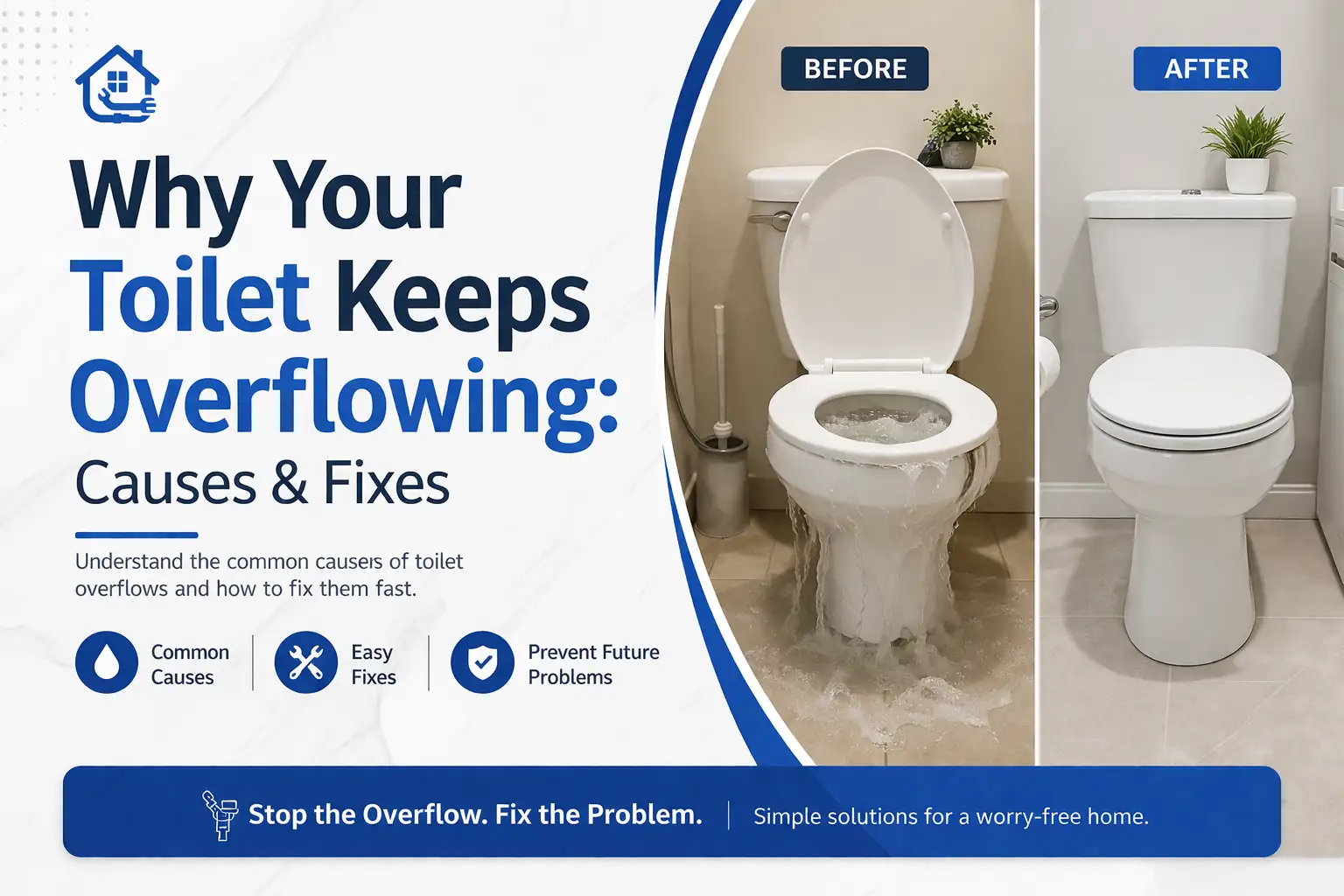
Drain misuse is one of the fastest ways to create long-term plumbing problems. Grease, food waste, and chemical cleaners damage pipes and clog the sewer line. Over time, these habits reduce efficiency and increase the risk of backups.
Safe alternatives like using baking soda and hot water for cleaning help maintain flow without damaging pipes. If you are already experiencing issues, check clogged drains service for professional cleaning solutions that protect your system instead of harming it.
Fix Leaks Immediately
Hidden leaks are silent system killers. Even small drips can lead to corrosion, mold growth, and structural damage. They also increase water bills and strain the system continuously.
Delaying repairs allows damage to spread. If you suspect a leak, reviewing high water bills can help identify early warning signs. Professional leak detection ensures the issue is fixed at the source, not just temporarily covered.
Maintain Your Water Heater System
Your water heater plays a central role in your plumbing system. Sediment buildup inside the tank reduces efficiency and damages internal components. Without maintenance, it shortens the entire system’s lifespan.
Regular flushing and inspections are essential. According to University of Georgia Extension, sediment accumulation is a leading cause of heater failure. If you want long-term reliability, explore water heater service for professional care.
Protect Your Sewer Line
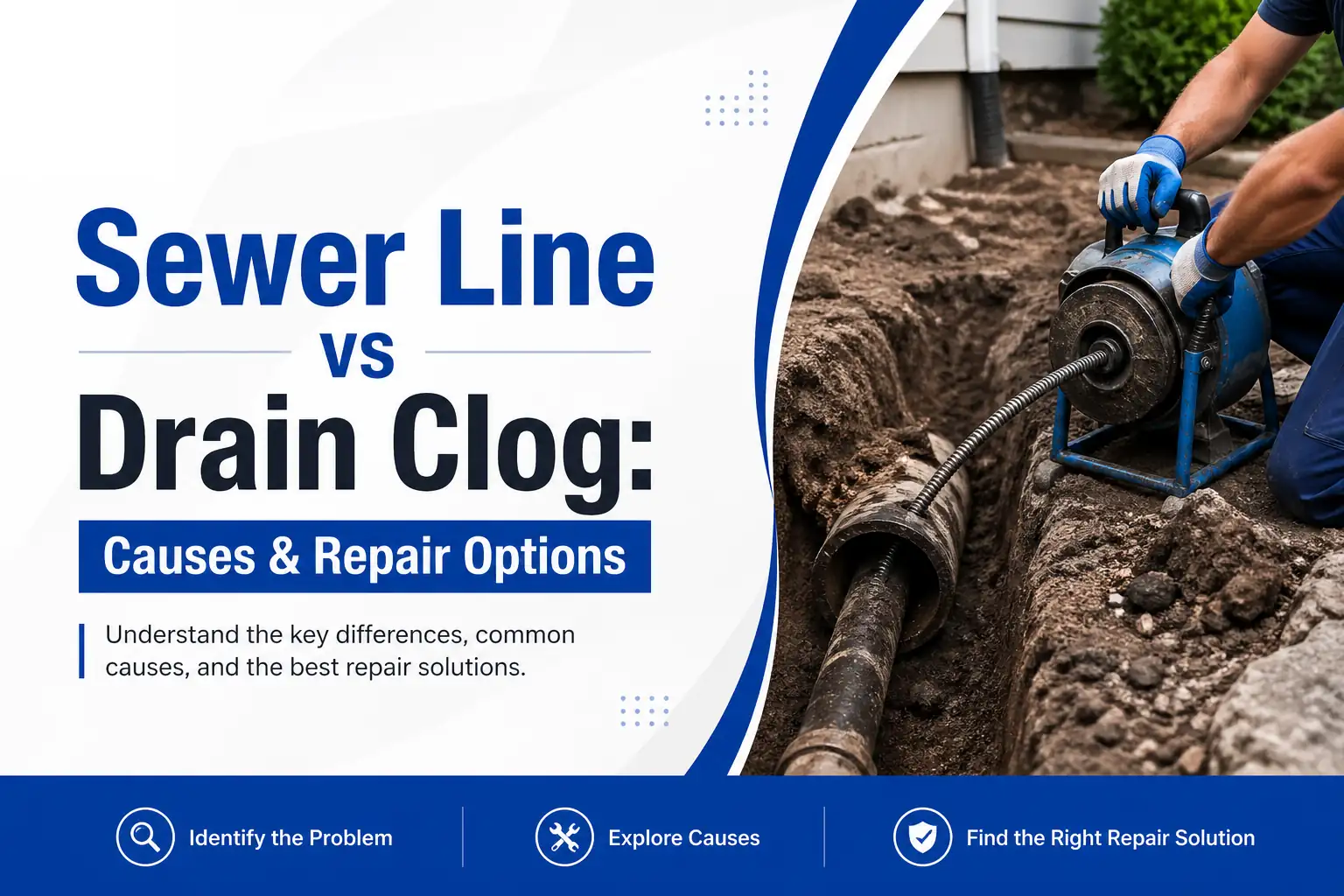
The sewer line is one of the most expensive parts of your plumbing system to repair. Tree roots, blockages, and misuse can cause serious damage. Preventive care is essential for avoiding major disruptions.
Regular inspections and proper usage habits keep the line clear. If you notice slow drains or backups, do not delay. Professional sewer services can prevent small issues from turning into full system failures.
Create a Plumbing Maintenance Schedule
A structured maintenance schedule ensures your plumbing system stays in optimal condition. It includes routine inspections, cleaning, pressure checks, and timely repairs. Without a plan, maintenance becomes reactive instead of preventive.
The American Society of Plumbing Engineers recommends consistent maintenance to extend system life. Building a schedule tailored to your home helps track performance and prevent unexpected failures.
Know When DIY Fails
DIY solutions often provide temporary relief but rarely fix underlying issues. Using improper tools or methods can damage pipes and create bigger problems. Many homeowners worsen situations by delaying professional help.
If problems keep returning, it is a sign deeper issues exist. Professional diagnostics identify root causes and prevent repeated failures. Relying on expert service ensures your plumbing system remains reliable long term.
Signs Professional Service is Needed
- Recurring clogs or slow drains
- Unexplained spikes in water bills
- Low or fluctuating water pressure
- Visible corrosion on pipes
- Persistent sewer odors
- Water stains or damp walls
These signs indicate deeper issues within your home s plumbing system. Ignoring them leads to larger failures and higher repair costs.
Professional evaluation ensures accurate diagnosis and long-term solutions instead of temporary fixes.
Why Choose Master Plumber Service
Choosing the right service provider determines how well your plumbing system performs over time. Experienced technicians understand system behavior, materials, and failure patterns that DIY methods cannot address.
With proven expertise, advanced tools, and a focus on long-term solutions, Master Plumber Service helps homeowners protect their investment and avoid recurring issues.
FAQs About Plumbing Maintenance
How long does plumbing last?
The lifespan depends on materials and maintenance. Copper pipes may last around 50 years, while some systems can approach 100 years with proper care and consistent inspections.
What is the life expectancy of PEX pipe?
The life expectancy of pex pipe is typically 40 to 50 years. It depends on installation quality, water conditions, and exposure to environmental factors.
How often should plumbing inspections be done?
Annual plumbing inspections are recommended. Homes with older systems or frequent issues may require more frequent checks to prevent unexpected failures.
What are the best plumbing maintenance tips?
Key plumbing maintenance tips include monitoring water pressure, preventing mineral buildup, fixing leaks quickly, and following a structured maintenance schedule.
How can I improve water quality for my plumbing?
Installing filtration systems and softeners improves water quality. This reduces mineral buildup and extends pipe lifespan significantly.
What causes hidden leaks?
Hidden leaks often result from corrosion, high pressure, or aging pipes. Early detection is critical to prevent structural damage and costly repairs.
Is professional maintenance really necessary?
Yes. Professional maintenance identifies problems early and ensures proper repairs. DIY solutions rarely address root causes effectively.
Take Action to Protect Your Plumbing System
If you are serious about how to extend life of household plumbing system, consistent maintenance and professional support are essential. Small issues quickly become major problems when ignored. A proactive approach saves money, prevents damage, and keeps your system running efficiently.
Schedule a professional inspection today, address existing issues, and build a maintenance plan that keeps your plumbing system performing reliably for years to come.
Conclusion
Understanding how to extend life of household plumbing system comes down to consistent care, smart habits, and knowing when to call in professionals. From managing water pressure to preventing mineral buildup, every step plays a role in extending the lifespan of your system. While DIY efforts can help, long-term reliability depends on expert inspection and maintenance. If you want lasting performance and fewer emergencies,Master Plumber Service is ready to help. Schedule your service today and keep your plumbing system running the way it should.